No-heat scenarios you can assess safely
In Pennsylvania, a sudden loss of heat can be caused by several issues. Start with the basics: check the thermostat settings, confirm that the circuit breaker is on, and ensure the filter isn’t clogged. If the system still won’t run, you can listen for the furnace to fire up at all, and note whether you hear unusual noises or smell something off. These observations help our HVAC technicians diagnose the problem faster.
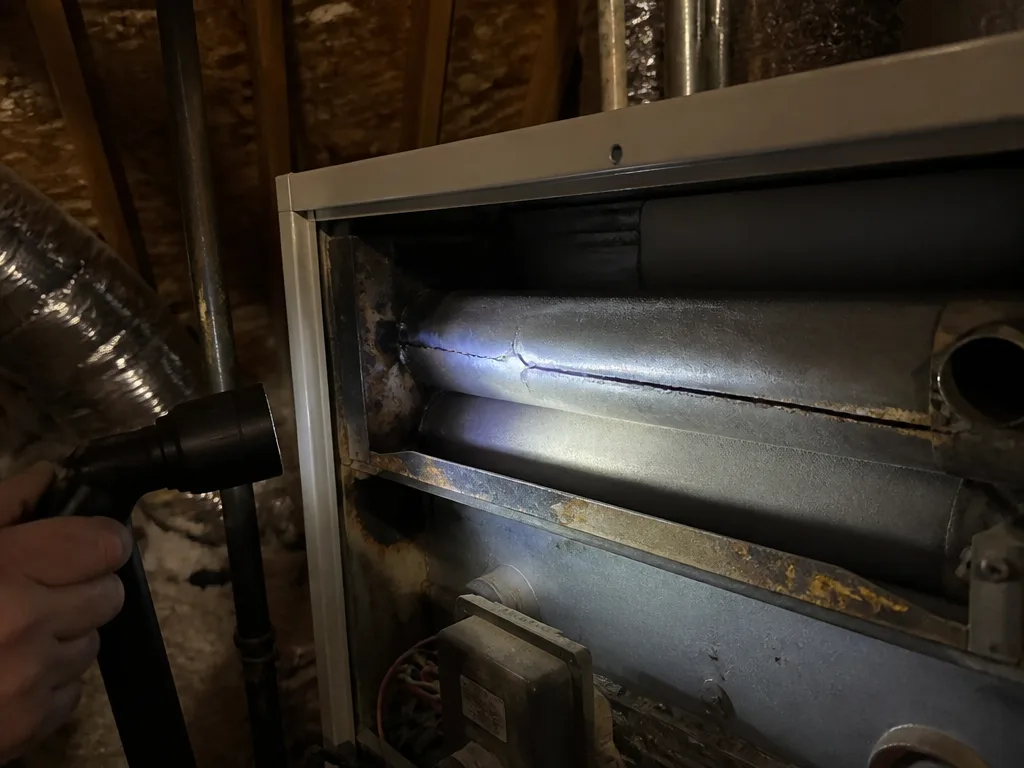
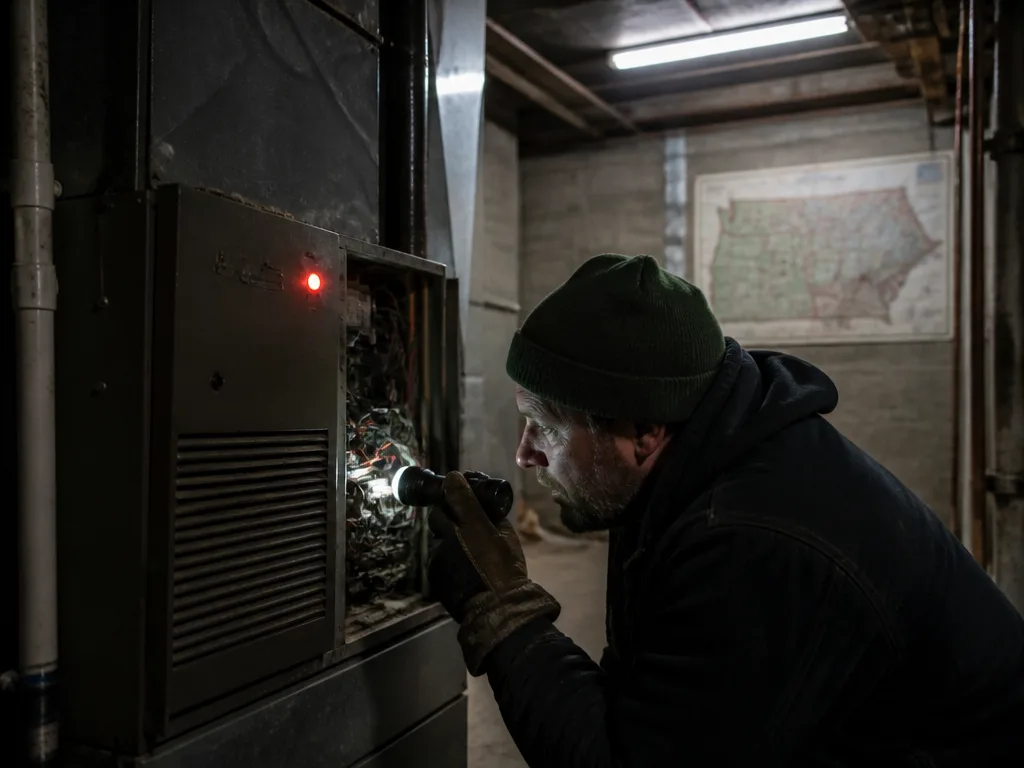
It’s tempting to poke around inside a furnace or control board, but that’s where risk creeps in. Live electrical components and gas components can be hazardous. If you’re not trained to safely service these parts, it’s best to pause and call for a professional assessment.
What you can safely do before the visit
Before our Pennsylvania-wide crew arrives, you can confirm a few details. Note the make and model, any recent service history, and whether the home has natural gas or propane. If the equipment is older, you can share that information too. This helps our HVAC technicians plan the visit and bring the right parts.
While waiting for service, avoid turning the system off and on repeatedly. In some cases, cycling can cause further strain on components. If there’s a strong smell of gas or you notice smoke, evacuate the home and call the gas provider or emergency services first.
When to call us versus trying something yourself
For no-heat conditions that involve suspected gas issues, electrical faults, or any furnace firing irregularities, a professional assessment is recommended. Our team across Pennsylvania provides a clear, upfront plan, with explanations of what’s happening and what the fix would involve. It’s information you can use to decide how to proceed.
DIY fixes can sometimes mask a deeper problem and lead to more costly repairs later. If you’re unsure, reach out to Pennsylvania Furnace Repair for a no-pressure consultation and a transparent estimate.
Maintenance tips between visits
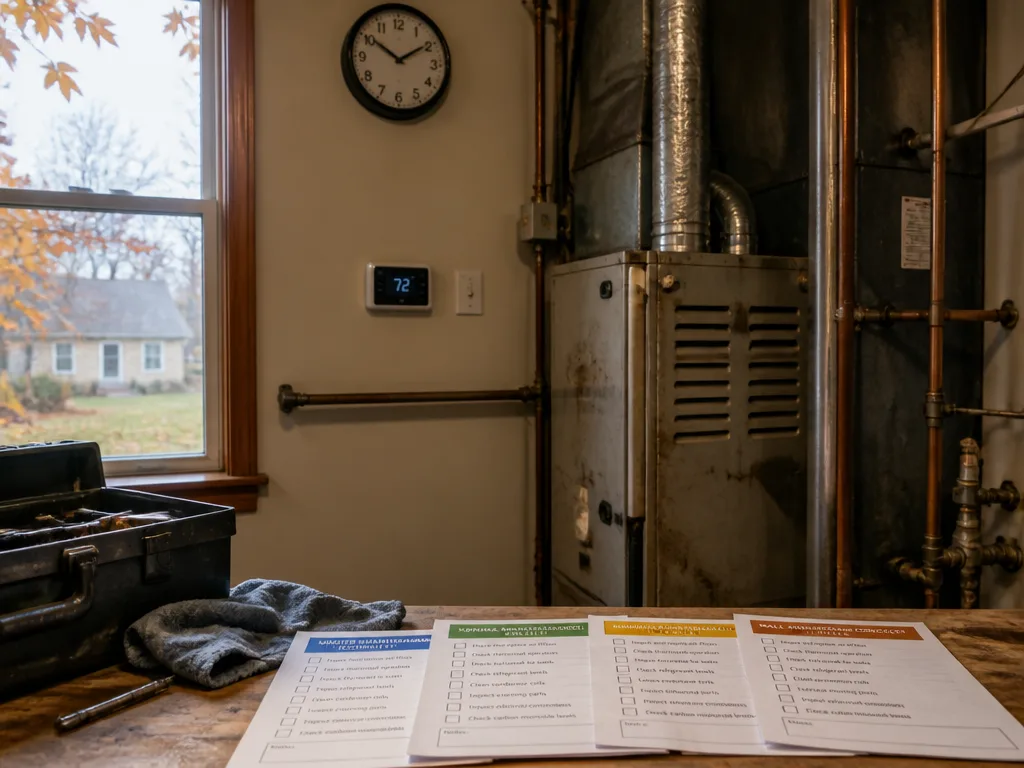
Regular maintenance helps prevent no-heat situations. After a service, our team can recommend a basic schedule tailored to your home’s heating needs. Cleaning and replacing filters, checking standby power, and ensuring proper venting are common tasks that keep heat flowing when you need it most.